Showing posts with label migrant workers. Show all posts

Tuesday, August 25, 2020

Terjemahan Pesan Paus Fransiskus Untuk Hari Migran dan Pengungsi Sedunia 2020


PESAN BAPA SUCI PAUS FRANSISKUS

UNTUK HARI MIGRAN DAN PENGUNGSI SEDUNIA YANG KE 106, TAHUN  2020

[27 September 2020]


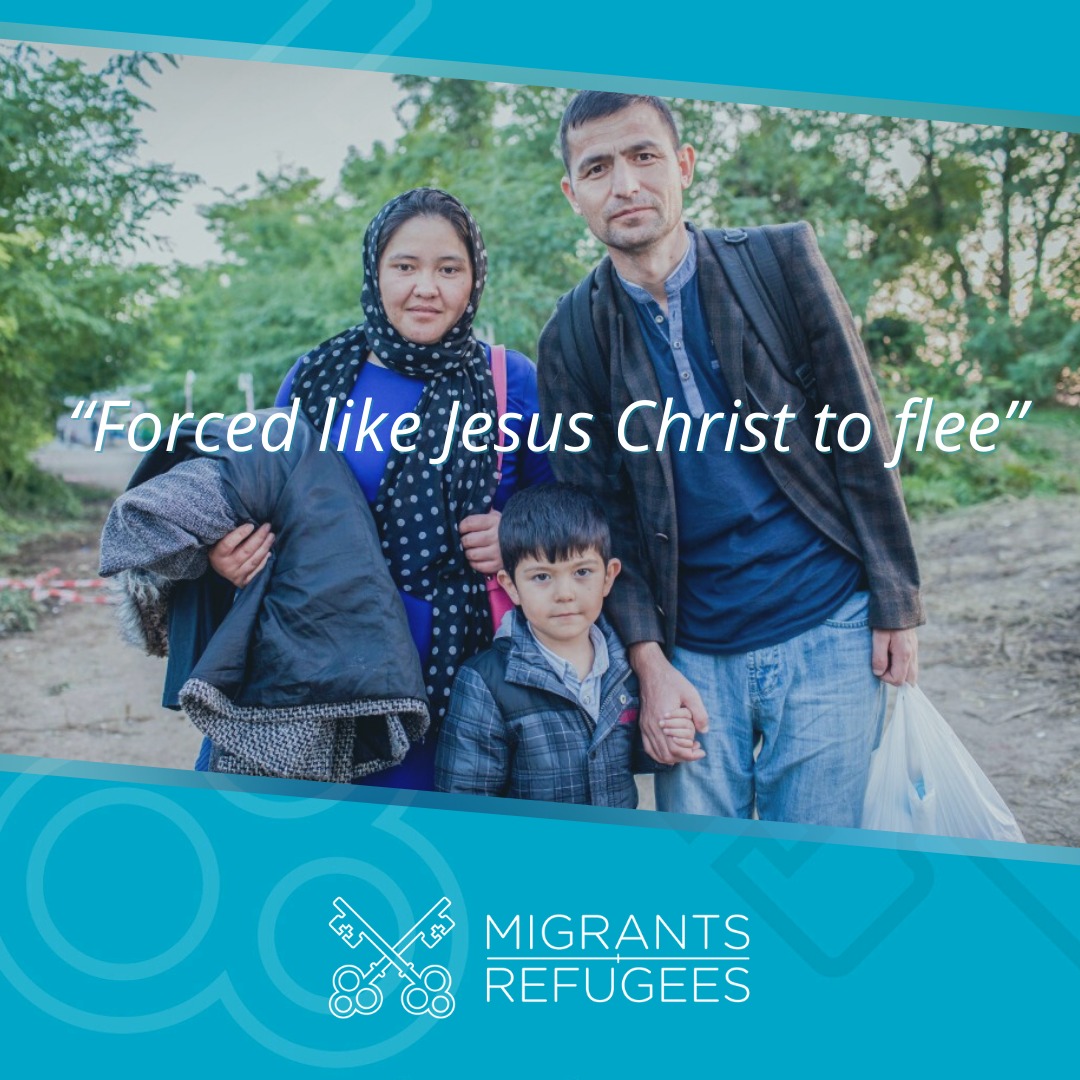
Seperti Yesus Kristus,  dipaksa untuk mengungsi.

Menyambut, melindungi, mempromosikan, dan mengintegrasikan 

pengungsi dalam negeri


Pada awal tahun ini, dalam Pidato saya kepada anggota Korps Diplomatik yang terakreditasi ke Tahta Suci, saya mengarahkan perhatian  pada tragedi orang-orang yang mengungsi di dalam negeri  sebagai salah satu tantangan dunia kita saat ini: “Situasi konflik dan darurat kemanusiaan, yang diperburuk oleh perubahan iklim, meningkatkan jumlah pengungsi dan berdampak bagi orang-orang yang sudah hidup dalam kemiskinan yang parah. Banyak negara yang sedang mengalami keadaan ini, menderita  kekurangan sarana yang memadai untuk memenuhi kebutuhan pengungsi ”(9 Januari 2020).

Dikasteri Bagian Migran dan Pengungsi untuk Mempromosikan Pembangunan Manusia Seutuhnya  telah mengeluarkan dokumen "Arah Pastoral mengenai para pengungsi di dalam negeri” (Kota Vatikan, 5 Mei 2020), yang bertujuan untuk menginspirasi dan mendorong karya pastoral Gereja di bidang khusus ini.

Karena alasan-alasan ini, saya telah memutuskan untuk mempersembahkan  Pesan ini bagi  drama para pengungsi dalam negeri, sebuah tragedi yang sering tidak terlihat dan bahwa krisis global yang disebabkan oleh pandemi COVID-19 semakin membuat keadaan mereka semakin buruk. Bahkan, karena kedahsyatannya, keparahan dan sebaran  geografisnya, krisis ini telah membawa dampak pada banyak darurat kemanusiaan lainnya yang mempengaruhi jutaan orang. Ternyata urgensi perjuangan internasional untuk menyelamatkan nyawa dikalahkan bahkan ditaruh ke urutan paling bawah pada agenda politik nasional.  Tetapi “ini bukan saatnya untuk menjadi lalai.  Krisis yang kita hadapi seharusnya tidak membuat kita melupakan banyak krisis lain yang membawa penderitaan bagi begitu banyak orang” (Pesan Urbi et Orbi 12 April 2020).

Mengingat peristiwa-persitiwa sedih  yang telah menandai tahun 2020, saya ingin pesan ini, meskipun berkaitan dengan orang-orang terlantar dalam negeri, juga untuk merangkul semua orang yang mengalami situasi genting, ditinggalkan, terpinggirkan dan ditolak sebagai akibat  dari COVID-19.

Saya ingin memulai dengan gambar yang menginspirasi Paus Pius XII dalam Konstitusi Apostoliknya, Exsul Familia (1 Agustus 1952). Selama pelariannya ke Mesir, kanak-kanak Yesus bersama  dengan orang tua-Nya mengalami nasib yang menyedihkan yang dialami oleh mereka yang terlantar  dan pengungsi, “yang ditandai dengan ketakutan, ketidakpastian dan kegelisahan (lih. Mat 2: 13-15, 19-23). Sayang bahwa di zaman kita sekarang, jutaan keluarga juga mengalami  kenyataan menyedihkan ini. Hampir setiap hari televisi dan surat kabar memuat berita tentang para pengungsi yang melarikan diri dari kelaparan, perang dan bahaya besar lainnya, untuk mencari keamanan dan kehidupan yang bermartabat bagi diri mereka sendiri dan keluarga mereka ”(Angelus, 29 Desember 2013). Dalam diri masing-masing orang ini, yang dipaksa melarikan diri ke tempat yang aman, Yesus hadir sebagaimana Dia hidup  pada zaman Herodes. Dalam wajah orang yang lapar, haus, telanjang, sakit, asing dan tahanan, kita dipanggil untuk melihat wajah Kristus yang meminta kita untuk memberi bantuan (lih. Mat 25: 31-46). Jika kita dapat mengenali-Nya pada  wajah-wajah mereka itu, kita akan menjadi orang yang berterima kasih kepada-Nya karena dapat bertemu, mencintai, dan melayani Dia melalui mereka.

Orang-orang yang kehilangan tempat tinggal memberikan kita kesempatan ini untuk bertemu dengan Tuhan, “meskipun mata kita merasa sulit untuk mengenalinya: pakaiannya compang-camping, kakinya kotor, wajahnya cacat, tubuhnya terluka, tidak bisa berbicara dengan bahasa  kita” (Homili, 15 Februari 2019). Kita dipanggil untuk menanggapi tantangan pastoral ini dengan empat kata kerja yang saya sebutkan dalam Pesan saya untuk Hari ini pada tahun 2018: menyambut, melindungi, mempromosikan dan mengintegrasikan. Untuk kata-kata ini, sekarang saya ingin menambahkan enam pasang kata kerja yang berhubungan dengan tindakan yang sangat praktis dan terkait satu sama lain dalam hubungan sebab dan akibat.

Anda harus tahu untuk bisa paham. Pengetahuan adalah langkah penting untuk memahami orang lain. Yesus sendiri memberi tahu kita tentang hal ini dalam kisah para murid di jalan menuju Emaus: "Ketika mereka sedang bercakap-cakap dan bertukar pikiran,  datanglah  Yesus sendiri mendekati mereka, lalu berjalan bersama-sama dengan  mereka. Tetapi  ada sesuatu yang menghalangi mata mereka, sehingga mereka tidak mengenal Dia" (Luk 24: 15- 16). Ketika kita berbicara tentang migran dan pengungsi, terlalu sering kita berhenti pada statistik. Tapi ini bukan tentang statistik, ini tentang manusia nyata! Jika kita bertemu mereka, kita akan mengetahui lebih banyak tentang mereka. Dan dengan mengetahui cerita mereka, kita akan bisa memahaminya. Kita ak.an dapat memahami, misalnya, bahwa kerawanan yang kita alami sebagai akibat  pandemi ini ternyata dialami terus-menerus dalam kehidupan para pengungsi.

Perlu menjadi dekat agar bisa melayani. Ini mungkin tampak jelas, namun seringkali justru sebaliknya. “Lalu datang seorang Samaria,  yang sedang dalam perjalanan, ke tempat itu; dan ketika ia melihat orang itu, tergeraklah hatinya oleh belas kasihan. Ia pergi kepadanya lalu membalut luka-lukanya, sesudah ia menyiramnya dengan minyak dan anggur. Kemudian ia menaikkan orang itu ke atas keledai tunggangannya sendiri lalu membawanya ke tempat penginapan dan merawatnya (Lk 10:33-34). Ketakutan dan kecurigaan  - terlalu banyak kecurigaan  - menjauhkan kita dari orang lain dan sering mencegah kita dari "menjadi sesama" bagi mereka dan melayani mereka dengan cinta. Mendekatkan diri pada  orang lain seringkali berarti bersedia mengambil risiko, seperti yang diajarkan kepada kita oleh banyak dokter dan perawat dalam beberapa bulan terakhir. Kesiapan untuk mendekat dan melayani ini lebih dari sekadar perasaan wajib. Yesus memberi kita contoh terbesar tentang hal ini ketika Dia membasuh kaki murid-Nya, melepas jubah-Nya, berlutut dan mengotori tangan-Nya (lih. Yoh 13: 1-15).

Agar dapat berdamai, kita perlu mendengarkan. Allah  sendiri yang mengajar kita dengan mengutus  Anak-Nya ke dunia. Dia ingin mendengarkan permohonan umat manusia yang menderita dengan telinga manusia: "Karena Allah begitu mengasihi dunia  ini, sehingga Ia telah mengaruniakan  Anak-Nya yang tunggal , supaya setiap orang yang percaya kepada-Nya tidak binasa, melainkan beroleh hidup yang kekal. Sebab Allah mengutus Anak-Nya ke dalam  dunia bukan untuk menghakimi dunia, melainkan supaya dunia diselamatkan melalui Dia" (Yoh 3: 16-17). Cinta yang mendamaikan dan menyelamatkan dimulai dengan mendengarkan. Di dunia sekarang ini, pesan-pesan  berlipat ganda tetapi praktik mendengarkan menjadi hilang. Namun hanya dengan mendengarkan dengan rendah hati dan penuh perhatian kita dapat benar-benar diperdamaikan. Pada tahun 2020, keheningan telah berkuasa selama berminggu-minggu di jalanan kita. Keheningan yang dramatis dan menyedihkan, tetapi yang telah memberi kita kesempatan untuk mendengarkan permohonan dari yang rentan, yang terlantar dan permohonan planet kita yang sedang sakit parah. Mendengarkan memberi kita kesempatan untuk berdamai dengan sesama  kita, dengan semua orang yang telah "dibuang", dengan diri kita sendiri dan dengan Allah, yang tidak pernah bosan menawarkan kemurahan hati-Nya  kepada kita.

Supaya bisa bertumbuh, perlu berbagi. Berbagi adalah unsur penting dari komunitas Kristiani  perdana: "Kumpulan orang yang telah percaya itu sehati dan sejiwa, dan tidak seorang pun berkata bahwa sesuatu dari kepunyaannya adalah miliknya sendiri. Tetapi segala sesuatu adalah kepunyaan mereka bersama" (Kisah Para Rasul 4:32). Tuhan tidak ingin sumber daya planet kita ini hanya menguntungkan bagi  sedikit orang saja. Ini bukan kehendak Tuhan! Kita harus belajar berbagi untuk tumbuh bersama, tanpa meninggalkan siapa pun. Pandemi telah mengingatkan kita bagaimana kita semua berada di perahu  yang sama. Menyadari bahwa kita memiliki keprihatinan dan ketakutan yang sama sekali lagi menunjukkan kepada kita  bahwa tidak ada yang dapat diselamatkan secara sendirian. Untuk bertumbuh dengan sungguh-sungguh, kita harus tumbuh bersama, membagikan apa yang kita miliki, seperti anak laki-laki yang menawarkan kepada Yesus lima roti jelai dan dua ikan ... namun lima roti dan dua ikan itu terbukti cukup untuk lima ribu orang (lih. Yoh 6: 1-15)!

Kita perlu terlibat  agar dapat  mempromosikan. Seperti Yesus bersama perempuan  Samaria (lih. Yoh 4: 1-30). Tuhan mendekatinya, mendengarkannya, berbicara pada hatinya dan kemudian menuntunnya kepada kebenaran serta menjadikannya seorang pewarta  Kabar Baik: “Mari, lihatlah orang yang mengatakan kepadaku segala sesuatu  yang telah kuperbuat. Mungkinkah Dia itu Kristus?” (ayat 29). Kadang-kadang dorongan untuk melayani orang lain menghambat kita melihat kekayaan mereka yang sebenarnya. Jika kita benar-benar ingin mempromosikan mereka yang kita bantu, kita harus melibatkan mereka dan menjadikan mereka pelaku  dalam penebusan mereka sendiri. Pandemi telah mengingatkan kita tentang betapa pentingnya tanggung jawab  bersama itu dan bahwa hanya dengan peran serta  semua orang - bahkan dari kelompok-kelompok yang begitu sering diremehkan itu - kita dapat menghadapi krisis ini. Kita harus menemukan “keberanian untuk menciptakan ruang di mana setiap orang dapat mengetahui  bahwa diri mereka dipanggil dan keberanian untuk membuka adanya bentuk-bentuk baru keramahtamahan, persaudaraan, dan solidaritas” (Meditasi di Lapangan Santo Petrus, 27 Maret 2020).

Untuk membangun diperlukan kerja sama. Itulah yang dikatakan Rasul Paulus kepada komunitas Korintus: “Tetapi aku menasehatkan kamu, Saudara-saudara, demi nama Tuhan Yesus Kristus, supaya kamu seia sekata dan jangan ada perpecahan di antara kamu, tetapi sebaliknya supaya kamu erat bersatu dan sehati sepikir”(1 Kor 1:10). Membangun Kerajaan Allah adalah tugas bersama bagi semua orang Kristiani dan dengan alasan ini kita perlu belajar untuk bekerja sama, tanpa menyerah pada godaan untuk kecemburuan, perselisihan dan perpecahan. Dalam konteks saat ini harus ditegaskan kembali: "Ini bukan saatnya  untuk mementingkan diri sendiri, karena tantangan yang kita hadapi merupakan tanggungjawab semua orang, tanpa membedakan satu dengan yang lain" (Pesan Urbi et Orbi, 12 April 2020). Untuk menjaga rumah kita bersama dan membuatnya semakin sesuai dengan rencana semula Tuhan, kita harus berkomitmen untuk memastikan kerjasama internasional, solidaritas global dan keterlibatan lokal, tanpa meninggalkan seorang pun .

Saya ingin mengakhiri dengan doa yang diilhami oleh teladan Santo Yusuf  pada saat ia terpaksa melarikan diri ke Mesir untuk menyelamatkan kanak-kanak  Yesus.

Bapa, kepada Santo Yusuf Engkau  telah mempercayakan apa yang Engkau anggap paling berharga: yaitu Kanak-kanak  Yesus dan ibu-Nya, agar  melindungi mereka dari bahaya dan ancaman orang-orang jahat.

Kami mohon agar kami boleh  mengalami perlindungan dan bantuannya. Semoga dia, yang ikut serta dalam penderitaan orang-orang yang melarikan diri dari kebencian orang-orang yang berkuasa, menghibur dan melindungi semua saudara dan saudari kami yang didera oleh perang, kemiskinan dan keterpaksaan  untuk meninggalkan rumah dan tanah mereka untuk  menjadi pengungsi di  tempat-tempat yang lebih aman.

Melalui perantaraan Santo Yusuf, tolonglah mereka untuk menemukan kekuatan sehingga dapat bertahan, berilah mereka penghiburan dalam kesedihan dan keberanian di tengah pencobaan mereka.

Anugerahkanlah kepada yang menyambut mereka kasih sayang lembut dari ayah yang jujur  dan bijaksana ini, yang mengasihi Yesus sebagai anaknya sendiri dan menopang Maria di setiap langkah di jalan.

Semoga dia, yang mendapatkan rejeki  dengan pekerjaan tangannya, menjaga  mereka yang telah kehilangan semuanya dalam hidup ini  dan mendapatkan bagi mereka martabat dalam bentuk pekerjaan dan kedamaian dalam sebuah rumah.

Kami mohon ini  melalui Yesus Kristus, Putra-Mu, yang diselamatkan oleh Santo Yusuf dengan membawa-Nya lari ke Mesir dan percaya pada  perantaraan Perawan Maria, yang dia kasihi sebagai suami yang setia sesuai dengan kehendak-Mu,  Amin.


Roma, Pesta Santo Yohanes Lateran, 13 Mei 2020, Peringatan Perawan Maria yang Terberkati dari Fatima.


Fransiskus

©Hak cipta  - Libreria Editrice Vaticana


******************************

Teks asli bisa didapatkan di 

https://drive.google.com/file/d/1QPNmAbPIBDH5ZCfLr0EtclK-dfQucyuy/view


MESSAGE OF HIS HOLINESS POPE FRANCIS

FOR THE 106th WORLD DAY OF MIGRANTS AND REFUGEES 2020


[27 September 2020]


Like Jesus Christ, forced to flee.

Welcoming, protecting, promoting and integrating

internally displaced persons


At the beginning of this year, in my Address to the  members of the Diplomatic Corps accredited to the Holy See, I pointed to the tragedy of internally displaced people as one of the challenges of our contemporary world: “Situations of conflict and humanitarian emergencies, aggravated by climate change, are increasing the numbers of displaced persons and affecting people already living in a state of dire poverty. Many of the countries experiencing these situations lack adequate structures for meeting the needs of the displaced” (9 January 2020).

The Migrants and Refugees Section of the Dicastery for Promoting Integral Human Development has issued the document “Pastoral Orientations on Internally Displaced People” (Vatican City, 5 May 2020), which aims to inspire and encourage the pastoral work of the Church in this specific area.

For these reasons, I have decided to devote this Message to the drama of internally displaced persons, an often unseen tragedy that the global crisis caused by the COVID-19 pandemic has only exacerbated. In fact, due to its virulence, severity and geographical extent, this crisis has impacted on many other humanitarian emergencies that affect millions of people, which has relegated to the bottom of national political agendas those urgent international efforts essential to saving lives. But “this is not a time for forgetfulness. The crisis we are facing should not make us forget the many other crises that bring suffering to so many people” (Urbi et Orbi Message, 12 April 2020).

In the light of the tragic events that have marked 2020, I would like this Message, although concerned with internally displaced persons, to embrace all those who are experiencing situations of precariousness, abandonment, marginalization and rejection as a result of COVID-19.

I would like to start with the image that inspired Pope Pius XII in his Apostolic Constitution Exsul Familia (1 August 1952). During the flight into Egypt, the child Jesus experienced with his parents the tragic fate of the displaced and refugees, “which is marked by fear, uncertainty and unease (cf. Mt 2:13-15, 19-23). Unfortunately, in our own times, millions of families can identify with this sad reality. Almost every day the television and papers carry news of refugees fleeing from hunger, war and other grave dangers, in search of security and a dignified life for themselves and for their families” (Angelus, 29 December 2013). In each of these people, forced to flee to safety, Jesus is present as he was at the time of Herod. In the faces of the hungry, the thirsty, the naked, the sick, strangers and prisoners, we are called to see the face of Christ who pleads with us to help (cf. Mt25:31-46). If we can recognize him in those faces, we will be the ones to thank him for having been able to meet, love and serve him in them.

Displaced people offer us this opportunity to meet the Lord, “even though our eyes find it hard to recognize him: his clothing in tatters, his feet dirty, his face disfigured, his body wounded, his tongue unable to speak our language” (Homily, 15 February 2019). We are called to respond to this pastoral challenge with the four verbs I indicated in my Message for this Day in 2018: welcome, protect, promote and integrate. To these words, I would now like to add another six pairs of verbs that deal with very practical actions and are linked together in a relationship of cause and effect.

You have to know in order to understand. Knowledge is a necessary step towards understanding others. Jesus himself tells us this in the account of the disciples on the road to Emmaus: “While they were talking and discussing together, Jesus himself drew near and went with them, but their eyes were kept from recognizing him” (Lk 24:15-16). When we talk about migrants and displaced persons, all too often we stop at statistics. But it is not about statistics, it is about real people! If we encounter them, we will get to know more about them. And knowing their stories, we will be able to understand them. We will be able to understand, for example, that the precariousness that we have come to experience as a result of this pandemic is a constant in the lives of displaced people.

It is necessary to be close in order to serve. It may seem obvious, yet often it is the contrary. “But a Samaritan, as he journeyed, came to where the man was; and when he saw him, he had compassion, and went to him and bound up his wounds, pouring on oil and wine; then he set him on his own beast and brought him to an inn, and took care of him” (Lk 10:33-34). Fears and prejudices – all too many prejudices – keep us distant from others and often prevent us from 2 “becoming neighbours” to them and serving them with love. Drawing close to others often means being willing to take risks, as so many doctors and nurses have taught us in recent months. This readiness to draw near and serve goes beyond a mere sense of duty. Jesus gave us the greatest example of this when he washed the feet of his disciples: he took off his cloak, knelt down and dirtied his hands (cf. Jn 13:1-15).

In order to be reconciled, we need to listen. God himself taught us this by sending his Son into the world. He wanted to listen to the plea of suffering humanity with human ears: “For God so loved the world that he gave his only-begotten Son… that the world might be saved through him” (Jn 3:16-17). A love that reconciles and saves begins with listening. In today’s world, messages multiply but the practice of listening is being lost. Yet it is only through humble and attentive listening that we can truly be reconciled. In 2020, silence has reigned for weeks in our streets. A dramatic and troubling silence, but one that has given us the opportunity to listen to the plea of the vulnerable, the displaced and our seriously ill planet. Listening gives us an opportunity to be reconciled with our neighbour, with all those who have been “discarded”, with ourselves and with God, who never tires of offering us his mercy.

In order to grow, it is necessary to share. Sharing was an essential element of the first Christian community: “Now the company of those who believed were of one heart and soul, and no one said that any of the things which he possessed was his own, but they had everything in common” (Acts 4:32). God did not want the resources of our planet to benefit only a few. This was not the Lord’s will! We have to learn to share in order to grow together, leaving no one behind. The pandemic has reminded us how we are all in the same boat. Realizing that we have the same concerns and fears has shown us once more that no one can be saved alone. To grow truly, we must grow together, sharing what we have, like the boy who offered Jesus five barley loaves and two fish… yet they proved enough for five thousand people (cf. Jn 6:1-15)!

We need to be involved in order to promote. As Jesus was with the Samaritan woman (cf. Jn 4:1-30). The Lord approaches her, listens to her, speaks to her heart, and then leads her to the truth and makes her a herald of the Good News: “Come, see a man who told me all that I ever did! Can this be the Christ?” (v. 29). Sometimes the impulse to serve others prevents us from seeing their real riches. If we really want to promote those whom we assist, we must involve them and make them agents in their own redemption. The pandemic has reminded us of how essential coresponsibility is, and that only with the contribution of everyone – even of those groups so often underestimated – can we face this crisis. We must find “the courage to create spaces where everyone can recognize that they are called, and to allow new forms of hospitality, fraternity and solidarity” (Meditation in Saint Peter’s Square, 27 March 2020).

It is necessary to cooperate in order to build. That is what the Apostle Paul tells the community of Corinth: “I appeal to you, brethren, by the name of our Lord Jesus Christ, that all of you agree and that there be no dissensions among you, but that you be united in the same mind and the same judgement” (1 Cor 1:10). Building the Kingdom of God is a duty common to all Christians, and for this reason it is necessary that we learn to cooperate, without yielding to the temptation to

jealousy, discord and division. In the present context it should be reiterated: “This is not a time for self-centredness, because the challenge we are facing is shared by all, without distinguishing between persons” (Urbi et Orbi Message, 12 April 2020). To preserve our common home and make it conform more and more to God’s original plan, we must commit ourselves to ensuring international cooperation, global solidarity and local commitment, leaving no one excluded.

I would like to conclude with a prayer suggested by the example of Saint Joseph at the time he was forced to flee to Egypt to save the child Jesus.

 Father, you entrusted to Saint Joseph what you held most precious: the child Jesus and his Mother, in order to protect them from the dangers and threats of the wicked.

Grant that we may experience his protection and help. May he, who shared in the sufferings of those who flee from the hatred of the powerful, console and protect all our brothers and sisters driven by war, poverty and necessity to leave their homes and their lands to set out as refugees for safer places.

Help them, through the intercession of Saint Joseph, to find the strength to persevere, give them comfort in sorrows and courage amid their trials.

Grant to those who welcome them some of the tender love of this just and wise father, who loved Jesus as a true son and sustained Mary at every step of the way.

May he, who earned his bread by the work of his hands, watch over those who have seen everything in life taken away and obtain for them the dignity of a job and the serenity of a home.

We ask this through Jesus Christ, your Son, whom Saint Joseph saved by fleeing to Egypt, and trusting in the intercession of the Virgin Mary, whom he loved as a faithful husband in accordance with your will. Amen.


Rome, Saint John Lateran, 13 May 2020, Memorial of the Blessed Virgin Mary of Fatima.


Franciscus

©Copyright - Libreria Editrice Vaticana


Friday, November 16, 2018

Selamat Dari Jerat Trafiking

Kasus perdagangan orang masih saja terjadi sampai hari ini di Indonesia. Korban tidak hanya menyasar kepada manusia dewasa, tapi juga anak-anak. Komisi Perlindungan Anak Indonesia (KPAI) sendiri pada bulan April 2018 yang lalu di web-nya menulis bahwa selama tahun 2018, sudah terdapat 32 kasus perdagangan manusia dan eksploitasi yang dialami oleh anak-anak di bawah umur (http://www.kpai.go.id/berita/kpai-ada-32-kasus-trafficking-dan-eksploitasi-anak-di-indonesia-pada-awal-2018) 


http://femalixious.blogspot.com/2016/08/perdagangan-anak-terkait-prostitusi-anak_13.html

Seperti juga kasus yang baru-baru ini ditangani oleh Sr. Laurentina dan timnya. Pada suatu hari, pada saat transit di sebuah bandara, Suster bertemu dengan sekelompok remaja putri dari Timor. Gadis-gadis tersebut terlihat lugu dan kebingungan sehingga mendorong suster untuk mendekati mereka. Karena mereka terlihat lelah, suster kemudian mengajak mereka makan dan minum. Dua dari mereka tersebut kemudian mau untuk terbuka. Kepada suster mereka menceritakan bahwa mereka pergi dari Kupang untuk bekerja. Namun saat suster bertanya di tempat mana mereka akan bekerja, mereka sendiri tidak tahu. Karena dari awal suster sudah curiga bahwa anak-anak ini adalah korban trafiking, suster akhirnya memberikan wejangan panjang lebar kepada mereka agar berhati-hati di sana. Kepada mereka suster juga memberikan nomor HP-nya dan berpesan agar jika terjadi sesuatu, mereka harus menghubungi suster secepatnya.  Suster dan anak-anak tersebut akhirnya berpisah karena beda tujuan.

Benar saja. Pada suatu siang. suster menerima kabar dari mereka bahwa  mereka kabur dari rumah majikannya. Kedua anak tersebut berhasil menghubungi suster melalui telepon selular yang mereka sembunyikan dan menceritakan keadaan mereka di sana, yang baru saja menginjakkan kaki di kota tersebut, dan pada malam harinya langsung dipaksa untuk melayani sebagai seorang pekerja seks. Karena merasa ketakutan, mereka berusaha kabur dari rumah majikannya dan berhasil melarikan diri dengan naik ojek. Mereka masih cukup beruntung karena bapak ojek yang baik hati tersebut mengantarkan mereka ke sebuah tempat yang aman. Untuk sementara waktu mereka dapat berlindung di tempat tersebut.


Usaha penyelamatan tidak begitu saja dengan mudah dilakukan. Karena mereka berdua adalah pendatang, maka mereka tidak mengenali daerah atau alamat tempat mereka bersembunyi, sehingga tim yang akan menjemput kesulitan mencari lokasinya. Mau tidak mau mereka berdua harus keluar dari tempat persembunyiannya dan menanyakannya kepada orang lain. Setelah menunggu selama satu jam dan merasa sedikit aman, mereka memberanikan diri menanyakan lokasi mereka kepada seorang bapak yang mereka temui di tepi jalan. Tim dari Kupang kemudian berkomunikasi dengan bapak tersebut dan walaupun terdengar agak keberatan, bapak itu bersedia untuk menemani kedua nona  tersebut sampai tim penjemput datang. Namun ternyata persoalan tidak berhenti sampai di situ. Setelah mobil penjemput datang, bapak itu tiba-tiba berubah pikiran dan menahan mereka, Ia memaksa untuk melaporkan kedua nona tersebut ke kantor polisi untuk diamankan. Dengan bersusah payah, tim penjemput mencoba meyakinkan bapak tersebut agar melepaskan mereka dan akhirnya bapak itu mengijinkan dengan syarat mereka memberikan uang rokok sebagai tebusan.


Untuk sementara kedua nona tersebut berada di sebuah rumah suatu keluarga yang bersedia menampung mereka, sehingga akhirnya pada suatu hari ada pemerhati migran bekerja sama dengan aparat setempat yang menjemput dan mendampingi mereka untuk kembali ke kampung halaman dan berkumpul bersama keluarga tercinta.


Keluarga sendiri mengaku tidak mengetahui bahwa putrinya akan berangkat secara mendadak ke luar kota. Menurut pengakuan ayahnya, putri sulungnya tidak pernah keluar rumah dan sangat jarang berkomunikasi dengan orang luar, Ia sangat heran kenapa putrinya bisa terpengaruh dengan bujukan orang yang baru dikenal dan nekad untuk keluar rumah. Sebelum keberangkatannya, selama satu minggu putrinya selalu pulang malam dengan alasan pergi bermain ke rumah salah satu kakak sepupunya. Orangtuanya tidak curiga karena ia sudah satu tahun terakhir ini menganggur sejak tamat SMA dan jarang keluar rumah. Selama itu, putrinya tidak bekerja dan hanya membantu orang tua mengurus pekerjaan rumah, membantu berladang dan mengikat sayuran hasil panenan untuk dijual di pasar. Namun sungguh mengejutkan ketika malam itu putrinya secara mendadak mengambil tas ranselnya dan berpamitan dengan kedua orangtuanya. Orangtua yang melihat kesungguhan putrinya untuk bekerja melepaskan kepergian sang puteri dengan berat hati. Ia dijemput pada pukul 11.00 WITA. Dua hari kemudian, keluarga mendapatkan kabar tidak mengenakkan bahwa putrinya sudah kabur dari agen yang merekrut. Namun orangtuanya berkata bahwa pihak agen menelpon orangtua di hari yang sama dan mengatakan bahwa putrinya sudah bekerja sebagai perawat di salah satu majikan dengan gaji per bulan sebesar 2,5 juta rupiah. Orangtua yang sudah mengetahui kebohongan agen tersebut hanya berusaha bersikap tidak tahu dengan kondisi yang sebenarnya. Orangtua justru meminta agar agen memberikan telepon kepada putrinya agar bisa berkomunikasi dengan mereka. Mendengar permintaan tersebut, pihak agen segera menutup telepon dan tidak pernah bisa dihubungi. Orangtua yang merasa sangat sedih berharap agar putrinya bisa kembali dalam keadaan sehat tanpa kekurangan suatu apapun. Mereka sangat berterima kasih kepada pihak-pihak yang bisa memperjuangkan pemulangan putri sulung dari tujuh bersaudara ini ke tengah-tengah keluarga. 


Ada sebuah cerita lagi yang menimpa seorang gadis bernama Murni (bukan nama sebenarnya). Ia masih duduk di bangku kelas 3 SMA ketika tergiur oleh bujukan calo yang menawarkan pekerjaan yang bagus di Jakarta tanpa harus menyertakan persyaratan apapun. Apalagi pada saat itu korban merasa kesal dengan teguran opa dan omanya ketika ia pulang terlalu larut malam dari sebuah acara dengan teman-temannya. Oleh karena itu, malam berikutnya ia segera pergi ke rumah temannya untuk mengungsi tidur. Ternyata keesokan harinya, ia dan temannya tersebut menghilang dari desanya. Keduanya sudah menyusun rencana untuk lari dari rumah untuk mengikuti bujukan calo yang sama sekali tidak mereka kenal. 

Singkat cerita, mereka berdua ternyata dibawa ke negeri orang dan dipekerjakan sebagai PSK selama dua hari. Dalam kurun waktu 2 hari itu, ia yang awalnya masih perawan dipaksa melayani 10 orang pria hidung belang. Ia mengaku mendapatkan kekerasan saat melakukan pekerjaan tersebut. Pada hari kedua, dengan susah payah berjalan ia berusaha mengakhiri penderitaannya dan segera kabur dari tempatnya bekerja. Malam itu, saat seorang pria hidung belang sedang berada di toilet kamarnya, dengan sigap ia segera mengambil kunci kamar dan perlahan-lahan keluar kamar. Dengan langkah pelan tapi pasti, ia melangkah keluar dan menuruni tangga, Ia melihat lampu diskotik menyala kelap kelip dan banyak wanita serta pria yang sedang menari menikmati malam. Sambil berusaha untuk tetap tenang, ia mulai menuruni anak tangga. Kemudian ketika ia berhasil keluar dari diskotik itu, ia dan temannya yang sama-sama berhasil lolos segera meminta pertolongan kepada orang yang ditemui di jalan untuk mengantarkan mereka ke kantor polisi terdekat.

Bersama dengan polisi, mereka kembali ke diskotik tersebut. Namun sangat disayangkan, lokasi seketika sudah bersih dari kerumunan orang-orang. Tidak ada satu pun yang tersisa kecuali pria hidung belang yang terkunci di kamar. Murni segera memberikan kunci kamar tersebut kepada polisi, dan akhirnya pria tersebut dibawa dan ditahan di kantor polisi. Murni dan temannya pun ikut ditahan di sana, karena mereka berdua tidak memiliki dokumen apapun. 

Murni dan temannya kemudian mengikuti proses persidangan dan dikenakan masa kurungan selama satu bulan, sementara pria hidung belang yang tertangkap juga harus menjalani masa tahanan karena melakukan tindakan asusila pada anak di bawah umur. Murni menjalani proses karantina di penjara selama  kurang lebih satu bulan, dan kemudian ia ditebus oleh majikannya lalu dibawa ke sebuah kota di Indonesia. Ketika di kota itulah, ia berhasil kabur dari rumah majikan dan diselamatkan oleh satu keluarga. Umat tersebut segera menginformasikan kejadian itu kepada salah satu Pastor yang memang menangani masalah migran. Pastor tersebut kemudian datang menyelamatkannya hingga akhirnya memulangkannya ke Kupang dan diserahkan kembali kepada keluarga.   


Tuesday, March 1, 2016

A Temporary Respite


As usual it began with a phone call.  In the first week of February, a call came through from the staff at the halfway house run by the Ministry of Social Welfare in East Jakarta. A group of people needed some spiritual counsel. The people were Indonesian migrant workers who had been deported from Malaysia. The next day, a group of volunteers who call themselves Care for Migrants Network of the Jakarta Archdiocese visited the shelter and organised a common counseling session and a mass because most of the deportees were Catholic.
The situation of these migrant workers is not uncommon. According to official statistics, Indonesia sends about 450,000 migrant workers abroad every year, but this does not cover those who leave the country to work using channels unrecognised by the state. Some estimates put the total number at up to 700,000 people. The most popular destination is neighbouring Malaysia which houses 1.3 to 1.6 million Indonesian migrant workers at any given time. About half of them are without documents and some of them end up in halfway houses like the one in Jakarta after being deported by Malaysian authorities.
On that day 44 deportees, including four women and a month-old baby, were housed in the shelter. They were waiting for the ship that would bring them, in a four-day voyage, to their homes in several regions in Nusa Tenggara Timur province. They had arrived two days earlier from Tanjung Pinang in the Sumatran province which borders with the Malay Peninsula. Some of them had spent up to three months in the Pasir Gudang detention centre in Malaysia before being deported. While in detention, a handful of them had been punished by caning. The baby was born in the detention centre after the mother was arrested by the authorities. Its father remained in Malaysia because he had proper documents.
What the volunteers did was simple. They tried to create a welcoming environment by providing a space for the deportees to talk, sing, pray and sometimes make confessions. Many of them had undergone traumatic experiences and had had no opportunity to deal with them. A simple gesture of friendship was all that was needed to unlock the fear and worry that had crippled them and to restore their humanity.
These volunteers have been doing this for the past four years in collaboration with the staff at the shelter. In the beginning the staff invited them only when there were Christian deportees. After a while, they allowed the group to help organise cooking or hairdressing classes for everyone in the shelter, regardless of religion.
Sahabat Insan, a Jesuit initiative that helps returning migrants, joined this network of volunteers three years ago. Most of the volunteers are nuns who run similar services for migrants and victims of trafficking in Jakarta. The group has witnessed a lot of tragic stories of violence, desperation and hopelessness and often feel completely helpless themselves. In one particular case in April 2014, the group had to deal with 21 young girls from Nusa Tenggara Timur who had been trafficked and enslaved in a bird’s nest factory in Medan, North Sumatra, for two years. Two of their friends died in captivity, which triggered the alarm that led to their release. The girls had to spend two months in the halfway house because police were investigating the case and needing them as witnesses. The friendship and warmth offered by the volunteers helped bring smiles back to their faces at the end of the stay in Jakarta. Afterwards, two nuns accompanied them on their way to Kupang, the capital of their home province and met with their families.
This simple service is supported by the Jakarta Archdiocese and the Counter Women Trafficking Commission of the Indonesian Association of Female Religious Congregations. The network has developed other activities such as organising seminars and training sessions on anti-trafficking as well as lobbying policy makers to advocate for better protection for migrant workers. The group is best defined, however, by their hospitality in offering a temporary respite for the laboured and broken.

Please visit http://sjapc.net/content/temporary-respite


Monday, June 1, 2015

Building a Better Migration Network

http://sjapc.net/content/building-better-migration-network

Visitors to Taiwan are greeted at the Taipei airport by signs welcoming migrant workers to the island country. The authorities provide a lot of information to migrant workers, on their rights as well as precaution measures in place, upon their arrival to the country, even before they meet their agencies or employers. In a country with 23 million people, the presence of more than half a million migrant workers is no small figure.
It was in this setting and context that this year’s Jesuit Conference of Asia Pacific Migration Network meeting was held from April 21 to 23.
The inaugural meeting in Jakarta last year had resulted in an action plan, and the group had gathered to see if it had actually worked and what lessons could be learnt from the first year of collaboration. There was clearly a stronger sense of purpose and eagerness.
The network’s five participating institutions were represented by their directors, old and new. At Yiutsari in Korea, Fr Kim Tae-jin SJ had taken over from Fr Kim Chong-dae SJ who had left the post to do tertianship in Australia. Fr Archie Carampatan SJ had succeeded Fr Nilo Tanalega SJ as the executive director of UGAT Foundation in the Phillippines. Fr Ando Isamu SJ of Tokyo Migrants' Desk was accompanied by his secretary Ms Jessie Tayama, while Fr Ismartono SJ of Sahabat Insan in Indonesia came with Ms Astuti Sitanggang, a legal officer of the organisation. Sr Wei Wei and Ms Jennie Lee represented the Rerum Novarum Center in Taiwan.
Also in the meeting were Fr Joseph Dao Nguyen Vu SJ, a Jesuit from the California Province who has just been appointed executive secretary of the Vietnamese Episcopal Commission for the Pastoral Care of Migrants and Itinerant People; Fr Bambang Sipayung SJ, regional director of Jesuit Refugee Service Asia Pacific; and three young Jesuits residing in Taiwan who came as observers: Joseph Bui Ngoc Thang SJ, Jean Amegble Yao Kékéli SJ, and Joseph Nguyen Bao An SJ.
JCAP Migration Network Meeting in Taiwan, May 2015
The group agreed that communication had been the most challenging action in the plan. Collaborating across the boundaries of Asia Pacific may look doable on paper during this Internet age, but virtual communication has its limitations. People have different attitudes toward the Internet and much was lost in the process of trying to get connected, at least in the early stages. Face-to-face interaction remains the most productive means of communication.
Another point raised was the capacity of the institutions to implement programmes. Most of them are small in terms of personnel and budget, and they can only do so much with the resources they have to hand. Being part of the network means more work that can be easily overlooked given their tight schedule.
A major challenge arises with leadership changes, which shows a lack of institutional capacity that stands in contrast to the designation of migration as a common apostolic priority of this Jesuit Conference. Serious investments in all departments are needed to make this priority more meaningful.
And an activity that made the meeting more meaningful was the visit to Rerum Novarum shelter in Taipei. Shielded from prying eyes, the small two storey building nestled unnoticed between the surrounding tall office blocks. There eight women migrant workers from Indonesia and the Philippines had taken refuge after experiencing abuse, mistreatment, non-payment of wages, and contract termination. Rerum Novarum runs the shelter like a home for these unfortunate women, making them feel safe and welcome despite the hardship.

Tuesday, January 13, 2015

MESSAGE OF HIS HOLINESS POPE FRANCIS FOR THE 101st WORLD DAY OF MIGRANTS AND REFUGEES (2015)


Church without frontiers, Mother to all

Dear Brothers and Sisters, 
Jesus is “the evangelizer par excellence and the Gospel in person” (Evangelii Gaudium, 209). His solicitude, particularly for the most vulnerable and marginalized, invites all of us to care for the frailest and to recognize his suffering countenance, especially in the victims of new forms of poverty and slavery. The Lord says: “I was hungry and you gave me food, I was thirsty and you gave me drink, I was a stranger and you welcomed me, I was naked and you clothed me, I was sick and you visited me, I was in prison and you came to me” (Mt 25:35-36). The mission of the Church, herself a pilgrim in the world and the Mother of all, is thus to love Jesus Christ, to adore and love him, particularly in the poorest and most abandoned; among these are certainly migrants and refugees, who are trying to escape difficult living conditions and dangers of every kind. For this reason, the theme for this year’s World Day of Migrants and Refugees is: Church without frontiers, Mother to all.

The Church opens her arms to welcome all people, without distinction or limits, in order to proclaim that “God is love” (1 Jn 4:8,16). After his death and resurrection, Jesus entrusted to the disciples the mission of being his witnesses and proclaiming the Gospel of joy and mercy. On the day of Pentecost, the disciples left the Upper Room with courage and enthusiasm; the strength of the Holy Spirit overcame their doubts and uncertainties and enabled all to understand the disciples’ preaching in their own language. From the beginning, the Church has been a mother with a heart open to the whole world, and has been without borders. This mission has continued for two thousand years. But even in the first centuries, the missionary proclamation spoke of the universal motherhood of the Church, which was then developed in the writings of the Fathers and taken up by the Second Vatican Council. The Council Fathers spoke of Ecclesia Mater to explain the Church’s nature. She begets sons and daughters and “takes them in and embraces them with her love and in her heart” (Lumen Gentium, 14).

The Church without frontiers, Mother to all, spreads throughout the world a culture of acceptance and solidarity, in which no one is seen as useless, out of place or disposable. When living out this motherhood effectively, the Christian community nourishes, guides and indicates the way, accompanying all with patience, and drawing close to them through prayer and works of mercy.

Today this takes on a particular significance. In fact, in an age of such vast movements of migration, large numbers of people are leaving their homelands, with a suitcase full of fears and desires, to undertake a hopeful and dangerous trip in search of more humane living conditions. Often, however, such migration gives rise to suspicion and hostility, even in ecclesial communities, prior to any knowledge of the migrants’ lives or their stories of persecution and destitution. In such cases, suspicion and prejudice conflict with the biblical commandment of welcoming with respect and solidarity the stranger in need.

On the other hand, we sense in our conscience the call to touch human misery, and to put into practice the commandment of love that Jesus left us when he identified himself with the stranger, with the one who suffers, with all the innocent victims of violence and exploitation. Because of the weakness of our nature, however, “we are tempted to be that kind of Christian who keeps the Lord’s wounds at arm’s length” (Evangelii Gaudium, 270).

The courage born of faith, hope and love enables us to reduce the distances that separate us from human misery. Jesus Christ is always waiting to be recognized in migrants and refugees, in displaced persons and in exiles, and through them he calls us to share our resources, and occasionally to give up something of our acquired riches. Pope Paul VI spoke of this when he said that “the more fortunate should renounce some of their rights so as to place their goods more generously at the service of others” (Octogesima Adveniens, 23).

The multicultural character of society today, for that matter, encourages the Church to take on new commitments of solidarity, communion and evangelization. Migration movements, in fact, call us to deepen and strengthen the values needed to guarantee peaceful coexistence between persons and cultures. Achieving mere tolerance that respects diversity and ways of sharing between different backgrounds and cultures is not sufficient. This is precisely where the Church contributes to overcoming frontiers and encouraging the “moving away from attitudes of defensiveness and fear, indifference and marginalization … towards attitudes based on a culture of encounter, the only culture capable of building a better, more just and fraternal world” (Message for the World Day of Migrants and Refugees 2014).

Migration movements, however, are on such a scale that only a systematic and active cooperation between States and international organizations can be capable of regulating and managing such movements effectively. For migration affects everyone, not only because of the extent of the phenomenon, but also because of “the social, economic, political, cultural and religious problems it raises, and the dramatic challenges it poses to nations and the international community” (Caritas in Veritate, 62).

At the international level, frequent debates take place regarding the appropriateness, methods and required norms to deal with the phenomenon of migration. There are agencies and organizations on the international, national and local level which work strenuously to serve those seeking a better life through migration. Notwithstanding their generous and laudable efforts, a more decisive and constructive action is required, one which relies on a universal network of cooperation, based on safeguarding the dignity and centrality of every human person. This will lead to greater effectiveness in the fight against the shameful and criminal trafficking of human beings, the violation of fundamental rights, and all forms of violence, oppression and enslavement. Working together, however, requires reciprocity, joint-action, openness and trust, in the knowledge that “no country can singlehandedly face the difficulties associated with this phenomenon, which is now so widespread that it affects every continent in the twofold movement of immigration and emigration” (Message for the World Day of Migrants and Refugees 2014).

It is necessary to respond to the globalization of migration with the globalization of charity and cooperation, in such a way as to make the conditions of migrants more humane. At the same time, greater efforts are needed to guarantee the easing of conditions, often brought about by war or famine, which compel whole peoples to leave their native countries.

Solidarity with migrants and refugees must be accompanied by the courage and creativity necessary to develop, on a world-wide level, a more just and equitable financial and economic order, as well as an increasing commitment to peace, the indispensable condition for all authentic progress.

Dear migrants and refugees! You have a special place in the heart of the Church, and you help her to enlarge her heart and to manifest her motherhood towards the entire human family. Do not lose your faith and hope! Let us think of the Holy Family during the flight in Egypt: Just as the maternal heart of the Blessed Virgin and the kind heart of Saint Joseph kept alive the confidence that God would never abandon them, so in you may the same hope in the Lord never be wanting. I entrust you to their protection and I cordially impart to all of you my Apostolic Blessing.

From the Vatican, 3 September 2014

FRANCISCUS

Wednesday, December 3, 2014

Back with a vengeance, Former migrant workers are finding new empowerment in the bureaucratic jungle of legal aid


Indonesian migrant workers hone their activist sensibilities at a protest in Hong kong - istolethetv.com
Like many rural teenagers, Bariyah, the daughter of peasant parents, did not have many options when she finished secondary school in Kebumen District, Central Java. Her vocational training in accounting was out of place in an area in need of agricultural skills. When her teacher offered to help her (and the rest of her year group) find work in Malaysia, it felt like a godsend. It turned out that this teacher was a broker, who was able to place her in an electronics factory in Kuala Lumpur. Bariyah was made to sign a contract, but did so without adequate knowledge of its terms. Unknowingly, she had placed herself US$800 in debt to the recruitment agency. Sixteen months later, the electronics business went under. She was sent home without compensation and still in debt. She was also owed six months’ wages. The agency that guaranteed her contract refused to take any responsibility for her situation. Disappointed but refusing to cave in, Bariyah contacted Migrant Care, a non-government organization (NGO) for migrant workers, to ask for help. Two years later, she is a legal officer in the Migrant Care office in Jakarta and studying law at Bung Karno University.

This is an increasingly familiar story. A one-time victim who subsequently becomes an activist in the sphere of migrant worker protection. There are many similar examples: the head of ATKI (Association of Indonesian Migrant Workers) in Jakarta was a domestic worker in Hong Kong for 11 years; PBM (Care for Migrant Workers) is led by a woman who was trafficked to Taiwan; a month in Saudi prison was enough to turn Eko Yulianto, a native of Purwokerto who worked as a driver, into a committed defender of migrant workers’ rights with the organisation BMIAS (Indonesian Migrant Workers in Saudi Arabia). The list could go on. Faced with predicaments that could easily have caused them to fall to pieces, these migrants have instead been motivated  to fight for justice – not just for themselves but also for other migrant workers. ‘I was just angry that people like me were treated badly simply because we were not educated and came from the countryside,’ explains Bariyah. ‘I am now studying law as a kind of personal revenge and to help people in similar situations.’

Becoming an activist
Many rural Indonesians struggle to find jobs in the increasingly uncompetitive agricultural economy. Such circumstances make the promise of a relatively high paying overseas job look attractive. Workers who had never ventured beyond the physical and social boundaries of their extended families thus find themselves in the hustle and bustle of an Asian or Middle Eastern metropolis, albeit often locked within the confines of their employer’s house.

Those who are lucky enough to land a job in a relatively forgiving environment, such as Hong Kong, are exposed to a vibrant civil society well-versed in the language of international law and human rights. Very quickly they find their way into the various organisations and movements set up by churches and other civil society groups to support a migrant worker population of over 300,000. On their days off they join street marches and protests to defend the rights of migrant workers. Their voices are amplified by the support of local and international NGOs that are present in the city.  A number of migrant workers’ unions were in fact founded in Hong Kong and only later established branch offices in the workers’ home countries. Upon their return, many such workers are keen to continue the struggle.

There can also be more personal reasons for getting involved in activism upon return from working abroad. Migrant workers pick up the lifestyles of ordinary Hong Kong, Taiwanese or Singaporean citizens they live with. This is typically on show on Sundays in public squares, when they congregate to spend their days off together. More importantly, they appropriate the skills, values and worldviews of their host societies. These are not always in harmony with the more traditional values of their home towns and villages. Indeed, many of them struggle with acceptance and self-expression on return. As it turns out, back home their empowered self does not always get the recognition it once received overseas. Only a few opportunities, such as being an activist, give them the scope to build on and develop their new identities.

Filling a gap in the system
Armed with experience and knowledge, former migrant workers provide a critical service in the bureaucratic jungle that surrounds any attempt to improve protection for migrant workers. A returned migrant worker seeking redress for her misfortune faces the daunting prospect of having to negotiate with both the agency that placed her in overseas employment and a variety of government bodies. Under Law No. 39/2009 on the protection and placement of migrant workers, the first step in a dispute is for workers to negotiate directly with their recruitment agencies. Paperwork, unfamiliar legal jargon and unfriendly officials all add to the sense of intimidation that the worker experiences when walking into a recruitment agency office, which will typically be located in a secure private complex. Moreover, since most agencies are located in and around Jakarta, negotiation requires returnees to undertake a long and expensive journey from their homes, which are often in rural areas of Java or the outer islands. In short, inherent power imbalances permeate almost every aspect of the negotiation process. The presence of an experienced ‘case-handler’ is thus a tremendous help. The case-handler assists with gathering documents and evidence as well as representing the worker in making claims against recruitment agencies, insurance companies or government bodies.

Bariyah with the Migrant Care crew in 2012 - Indah Josephine

And there is a lot of work to do. In 2012, the BNP2TKI (National Agency for Placement and Protection of Indonesian Migrant Workers) received 9764 complaints from migrant workers and their families, mostly to do with non-payment of wages. However, this is just the tip of the iceberg. Migrant Care has identified 398,270 cases in which Indonesian migrant workers suffered violations of their rights during 2013 alone. Despite this high number, however, migrant workers have no access to state-funded legal aid, which is only available to criminal defendants.

Limited legal aid services are available to migrant workers through the private sector, and through university law schools, some of which offer legal advice as a public outreach service. The majority of cases, however, are handled by non-legal civil society organisations, usually staffed by former migrant workers. Over time, these case-handlers have built up a network of personal relations with relevant government officials and staffers at insurance companies and recruitment agencies. This way, they work more efficiently in obtaining some kind of compensation for their clients. Lily Kusnadi, a former migrant worker in Taiwan and the chairwoman of PBM, has forged personal relations with officials in the Department of Labour and Transmigration and the BNP2TKI. Thanks to these carefully cultivated relations, she is able to secure payments for her clients, sometimes even from the personal pockets of the officials. Ties with the political elite can also provide other corollary benefits. On one occasion, the wife of the Minister of Labour and Transmigration came to open PBM’s new shelter for abused migrant workers. The shelter had been supported by donations from, amongst others, the minister’s wife and the owner of a recruitment agency in Surabaya, East Java. Meeting Lily today, it can be hard to remember that she is someone whose marginal position in the Indonesian political economy once drove her to Taiwan.

A case of empowerment?
Despite their effectiveness, the important role played  by these case-handlers reveals a glaring gap in Indonesia’s justice system. Law No. 16/2011 may change this. It emphasizes the right to access justice and promises state funding for legal aid services. However, until the relevant bureaucratic hurdles are crossed and the new law can be fully implemented, case-handlers such as Bariyah will continue to provide vital services.

Lily Kusnadi celebrates the opening of PBM shelter for abused migrant workers - Benny Juliawan

One wonders also what the future will hold for these case-handlers. Their empowerment has intriguing parallels with developments seen in the world of industrial trade unions and the human rights movement, where members’ fights for justice has propelled them up the political ladder into prominent positions within political parties or patronage networks, a phenomenon so common in Indonesian democracy. One thing is clear: migrant workers such as Bariyah may once have been down but they are surely not out and seem destined to play an important role in Indonesia’s vibrant civil society for the foreseeable future.


Benny Hari Juliawan (orwellsj@gmail.com) is a researcher in Sahabat Insan, a NGO working on migrant worker issues based in Jakarta